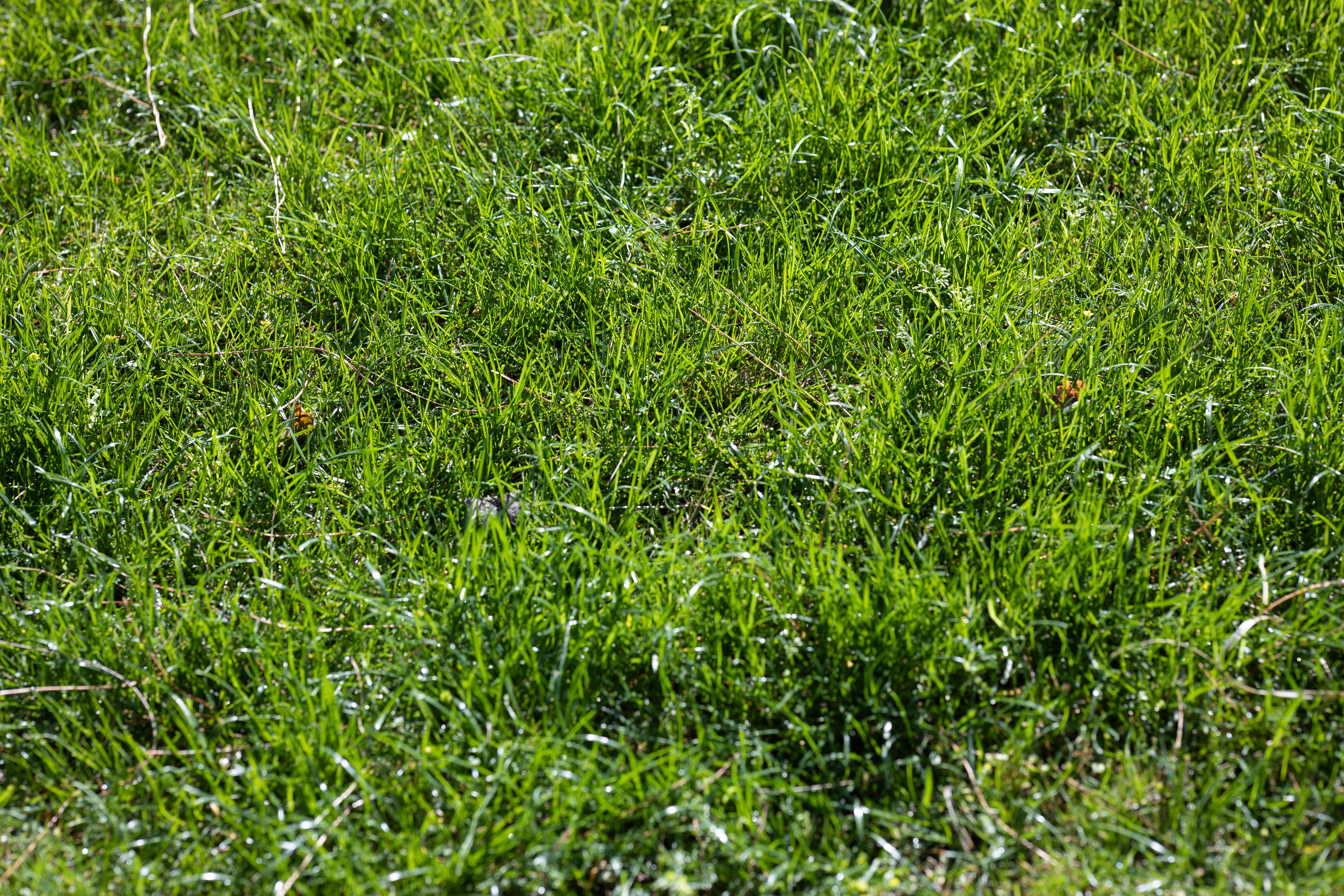
Sod Calculator 2026 — How Many Pallets Do You Actually Need for Your Lawn?
Sod is one of the few landscaping materials where ordering too little creates an irreversible problem — a lawn installed with insufficient sod leaves bare patches that must be filled from a second order, and the new sod from that second order may come from a different growing batch with subtly different colour, texture, and establishment characteristics that remain visible for an entire growing season. Ordering too much sod is equally wasteful because fresh sod has a survival window of only 24 to 48 hours once cut from the farm — excess pallets that cannot be installed immediately die and cannot be returned. Getting the quantity right before the delivery truck arrives is not optional. The sod calculator on CalcMint Pro converts your lawn area into exact pallet counts and individual roll or piece counts — accounting for the significant variation in pallet coverage between different grass species and sod formats that most generic calculators ignore entirely.
The Sod Calculation Formula (Plain English)
Step 1 — Calculate your total lawn area: For rectangular lawns: Area = Length × Width For irregular shapes: divide into rectangular sections, calculate each, and sum
Step 2 — Subtract non-lawn areas: Subtract driveways, paths, garden beds, trees, structures — anything that will not be sodded
Step 3 — Add waste factor: Waste Factor = 5% for simple rectangular lawns Waste Factor = 10% for irregular shapes with curves and obstacles Total Sodded Area = Net Lawn Area × (1 + Waste Factor)
Step 4 — Convert to pallets: Pallet coverage varies by grass species and sod supplier — typically 450 to 700 square feet per pallet Pallets = Total Sodded Area ÷ Square Feet per Pallet (round up to nearest whole pallet)
Step 5 — Convert to individual pieces if needed: Most sod comes in rolls or slabs — typically 2 square feet per piece for rolls or 9 square feet per large slab Pieces = Total Sodded Area ÷ Square Feet per Piece
Example — 40ft × 60ft backyard, subtract 10ft × 8ft garden bed and 4ft × 4ft tree circle: Total area: 40 × 60 = 2,400 sq ft Subtract garden bed: 10 × 8 = 80 sq ft Subtract tree circle: approximately 12 sq ft Net area: 2,400 − 92 = 2,308 sq ft Add 8% waste (irregular obstacles): 2,308 × 1.08 = 2,492 sq ft At 500 sq ft per pallet: 2,492 ÷ 500 = 4.98 → order 5 pallets
Pallet Coverage by Grass Species
This is the critical variable that most sod calculators ignore — pallet coverage varies significantly between grass species because different grasses are cut at different slab sizes and thicknesses.
| Grass Species | Pallet Coverage | Climate Zone | Maintenance Level | Best For |
|---|---|---|---|---|
| Bermuda grass | 450 sq ft | Warm season (zones 7-10) | High | Full sun, high traffic |
| Zoysia grass | 450 sq ft | Warm season (zones 6-10) | Medium | Sun to partial shade |
| St. Augustine | 500 sq ft | Warm season (zones 8-10) | Medium | Shade tolerance, coastal |
| Centipede grass | 500 sq ft | Warm season (zones 7-9) | Low | Low fertility soils |
| Bahia grass | 500 sq ft | Warm season (zones 8-10) | Low | Sandy soils, drought |
| Kentucky Bluegrass | 504 sq ft | Cool season (zones 3-6) | High | Full sun, premium lawns |
| Tall Fescue | 500 sq ft | Cool season (zones 4-7) | Medium | Shade, drought tolerance |
| Fine Fescue | 500 sq ft | Cool season (zones 3-6) | Low | Deep shade, low maintenance |
| Perennial Ryegrass | 504 sq ft | Cool season (zones 3-6) | High | Quick establishment |
Always confirm pallet coverage with your specific supplier before finalising your order — coverage can vary by 10% to 15% between suppliers of the same grass species depending on how they cut and roll their sod.
Warm-Season vs Cool-Season Grass — The Critical Installation Timing Difference
Choosing the wrong grass species for your climate or installing at the wrong time of year are the two most common causes of sod failure — both more expensive mistakes than getting the quantity slightly wrong.
Warm-Season Grasses (Bermuda, Zoysia, St. Augustine, Centipede, Bahia)
Active growing season: Late spring through summer — soil temperatures above 65°F (18°C) Best installation window: Late spring to early summer when soil is warm and grass grows aggressively Dormancy: Brown and dormant in winter — green resumes in spring Geographic range: Southern US, coastal areas, tropical and subtropical climates globally
Installation timing rule: Install warm-season sod when soil temperature at 2-inch depth is consistently above 65°F and nighttime temperatures stay above 55°F. Installing too early in spring — before soil warms — produces slow establishment and vulnerability to late frost damage.
Cool-Season Grasses (Kentucky Bluegrass, Tall Fescue, Fine Fescue, Perennial Ryegrass)
Active growing season: Spring and fall — soil temperatures 50°F to 65°F (10°C to 18°C) Best installation windows: Early fall (September to October — the preferred window) or early spring (March to April) Summer dormancy: Cool-season grasses slow significantly in summer heat — may brown temporarily in drought Geographic range: Northern US, UK, Northern Europe, high-altitude areas
Installation timing rule: Fall installation is strongly preferred for cool-season grasses because soil is still warm from summer (promoting root establishment) while air temperatures are cooler (reducing water demand and heat stress). Spring installation works but summer heat arrives before full root establishment, stressing new sod during its most vulnerable period.
Sod Formats — Rolls vs Slabs vs Big Rolls
Sod is sold in different physical formats depending on supplier and grass type — understanding the format affects both how you count pieces and how installation proceeds.
| Format | Typical Size | Coverage | Weight | Best For |
|---|---|---|---|---|
| Standard roll | 2ft × 5ft | 10 sq ft | 15-20 lbs | Most residential installation |
| Small slab | 16" × 24" | ~2.67 sq ft | 8-12 lbs | Detail work, small areas |
| Large slab | 24" × 36" | 6 sq ft | 20-30 lbs | Faster coverage |
| Big roll (machine installed) | 2ft × 50-100ft | 100-200 sq ft per roll | 200-400 lbs | Large areas, contractor installation |
| Pallet (standard rolls) | 16-20 rolls | ~160-200 sq ft | 1,500-2,000 lbs | Standard delivery unit |
Full pallet vs partial pallet ordering: Most sod farms and suppliers sell by the pallet — a full pallet is the standard delivery unit and partial pallets are often not available or carry a significant premium. If your calculation produces a fractional pallet result (say 3.3 pallets) you will typically need to order 4 full pallets. For the leftover sod from that 4th pallet plan alternate use — filling in thin spots, adding a small garden border area, or extending sod into an adjacent area you were not originally planning to sod.
How to Measure Irregular Lawn Areas
Most residential lawns are not perfect rectangles — they have curves, garden beds of irregular shapes, angled property lines, and obstacles like trees, air conditioning units, and sheds. Measuring these accurately without a surveyor requires a methodical approach.
Method 1 — Grid method (best for most lawns): Divide your entire lawn into a grid of 10-foot squares using stakes and string. Count all complete squares and estimate the fraction of partial squares at the edges. Multiply total squares by 100 for your area in square feet. This method is accurate to within 5% for most irregular shapes.
Method 2 — Section method (best for L-shaped or compound lawns): Divide your lawn into the smallest number of rectangles that together cover the entire space. Calculate each rectangle separately and sum them. Subtract obvious non-lawn areas. Add 10% for curved edges and irregular boundaries.
Method 3 — Perimeter method (for roughly circular or oval lawns): Measure the longest dimension (length) and widest dimension (width). Multiply length × width × 0.80 for an elliptical approximation. This works well for oval lawns but overestimates for more irregular shapes.
Using your property survey: If you have a property survey it shows your total lot area. Subtract the house footprint, driveway, hardscaped areas, and garden beds from total lot area to estimate lawn area. This method is quickest but least accurate for irregular layouts.
Soil Preparation — The Step That Determines Whether Your Sod Investment Succeeds
Sod installation over poorly prepared soil is one of the highest-cost mistakes in landscaping — new sod that fails due to inadequate soil preparation must be removed, the soil corrected, and new sod purchased and installed again. Soil preparation accounts for 30% to 50% of total project cost and effort on a new sod installation but determines 90% of whether the installation succeeds.
Minimum soil preparation requirements:
Remove existing vegetation: Kill and remove existing grass, weeds, and roots. Herbicide application followed by 2 weeks of die-off is most effective. Mechanical removal with a sod cutter is the fastest approach but leaves roots that can regrow through new sod.
Grade and level: Sod installed over uneven ground follows the contours of the soil — creating visible bumps and depressions that worsen over time as sod roots draw down into the soil profile. Grade should slope away from structures at approximately 1 to 2% (1 to 2 inches drop per 10 feet) for drainage.
Amend soil if needed: Topsoil quality directly affects establishment speed and long-term health. Sandy soils need organic matter addition (compost at 2 to 4 inches tilled in). Clay soils need gypsum and organic matter to improve drainage. Conduct a basic soil pH test — most grasses prefer pH 6.0 to 7.0.
Till to 4 to 6 inches: Loosen compacted soil to the depth sod roots will penetrate during establishment — approximately 4 to 6 inches. Compacted soil prevents root penetration and causes sod to fail even when surface conditions look adequate.
Fertilise before installation: Apply a starter fertiliser high in phosphorus (middle number in NPK rating) to the prepared soil before laying sod — phosphorus promotes root development and significantly accelerates establishment.
Post-Installation Care — The First 30 Days
The first 30 days after sod installation are the most critical — this is when sod either establishes successfully or fails, and the care provided during this window determines the outcome more than any other factor.
Days 1 to 7 — Establishment phase: Water immediately after installation — sod should be wet to a depth of 4 to 6 inches within the first hour. Water twice daily in the early morning and late afternoon — sod must never dry out completely during this phase. Lift a corner of sod on day 3 to check for root initiation — white root tips should be beginning to penetrate the soil surface.
Days 8 to 14 — Root development: Reduce watering to once daily — deeper, longer watering rather than frequent light watering. Begin transitioning the root zone from soil surface to deeper soil layers. Avoid walking on sod during this phase — roots are not yet established enough to resist compression damage.
Days 15 to 30 — First mow and normalisation: Begin the tug test on day 14 — grip sod and pull upward gently. When sod resists pulling it has rooted sufficiently for first mowing. First mow at the highest recommended height for your grass species — never remove more than one-third of leaf height in a single mowing. Transition to a normal irrigation schedule of 1 inch per week after the first successful mow.
How to Use the CalcMint Pro Sod Calculator
Step 1 — Enter your total lawn area. For simple rectangular lawns enter length and width. For multiple sections enter each rectangle separately and the calculator sums them. Use the grid or section method above to determine your measurements for irregular lawns.
Step 2 — Subtract non-lawn areas. Enter the area of garden beds, paths, driveways, and permanent structures that fall within your measured area. The calculator subtracts these from the total for your net sodded area.
Step 3 — Select your grass species. The calculator applies the correct pallet coverage for your specific grass type — the variable most other calculators miss entirely. If your species is not listed use the coverage figure from your specific supplier.
Step 4 — Select lawn shape complexity. Simple rectangular, moderately irregular, or highly irregular — the calculator applies 5%, 8%, or 12% waste factors respectively for cuts at curves, angles, and obstacles.
Step 5 — View pallet count and individual piece count. Both figures display so you can communicate with your supplier in either unit — some suppliers quote by the pallet, others by the roll or piece.
Real-World Example: The Johnson Family's Front Lawn Replacement
The Johnson family is replacing their front lawn — damaged by drought and grub infestation — with Zoysia sod in zone 7 (transition zone, warm-season grass appropriate).
Measuring their front lawn: Total front yard area: 45ft × 30ft = 1,350 sq ft Subtract front walkway: 20ft × 3ft = 60 sq ft Subtract driveway edge strip: 25ft × 2ft = 50 sq ft Subtract two tree circles: 2 × 15 sq ft = 30 sq ft Net sodded area: 1,350 − 140 = 1,210 sq ft
Waste factor (moderately irregular — curved bed edges and tree circles): 8% Total with waste: 1,210 × 1.08 = 1,307 sq ft
Pallet calculation (Zoysia — 450 sq ft per pallet): 1,307 ÷ 450 = 2.9 pallets → order 3 pallets
Individual roll count (standard 2ft × 5ft rolls, 10 sq ft each): 1,307 ÷ 10 = 130.7 → approximately 131 rolls from 3 pallets (pallets contain approximately 150 rolls each — 3 pallets = 450 rolls total, significant excess)
The Johnsons discovered from the sod calculator that 3 pallets gives them 450 rolls — 319 more than needed. They decided to extend their sodded area into the side yard to use the additional material productively, adding approximately 1,900 square feet of coverage that the excess pallets would provide — turning an ordering overage into a planned expansion rather than waste.
They also used the gravel calculator to calculate the decorative gravel for a new border path between their front lawn and garden bed — completing their full front yard renovation material list in one planning session.
Pro Tip — Order Sod for a Weekday Delivery and Install Same Day
The single most important logistical decision in a sod project is scheduling — sod cut from the farm begins dying immediately and has a practical installation window of 24 to 48 hours in cool weather and as little as 12 to 18 hours in hot weather above 80°F (27°C).
Order delivery for a weekday morning when you have a full day available for installation — not a Friday afternoon when a weekend commitment might prevent same-day installation of all pallets. Confirm with your supplier the exact cut date of your order — some suppliers hold pre-cut sod in storage before delivery, reducing your effective installation window.
Calculate your exact pallet quantity using the sod calculator before calling suppliers — arriving at the ordering conversation with precise square footage and pallet count in hand ensures you receive an accurate delivery of the right quantity on the right day rather than a rounded estimate that may arrive short or in excess of what your lawn actually requires.
Frequently Asked Questions
How much sod do I need for my lawn?
Calculate your total lawn area in square feet by measuring length times width for rectangular areas — then subtract any driveways, garden beds, trees, and structures within the measured space. Add 5% to 10% for waste depending on how irregular your lawn shape is. Divide the total by your specific grass species pallet coverage — typically 450 to 504 square feet per pallet — and round up to the nearest whole pallet since partial pallets are rarely available. The sod calculator on CalcMint Pro automates this calculation for any lawn shape and grass species.
How many square feet does a pallet of sod cover?
A standard pallet of sod covers approximately 450 to 504 square feet depending on grass species and supplier. Bermuda and Zoysia sod pallets typically cover 450 square feet. Kentucky Bluegrass and Perennial Ryegrass pallets typically cover 504 square feet. St. Augustine and Tall Fescue pallets typically cover 500 square feet. Always confirm pallet coverage with your specific local supplier before calculating final quantities since coverage can vary by 10% to 15% between suppliers of the same grass type.
What is the best time of year to lay sod?
Warm-season grasses (Bermuda, Zoysia, St. Augustine) should be installed in late spring to early summer when soil temperatures consistently exceed 65°F — installation in cooler months produces very slow establishment and vulnerability to frost. Cool-season grasses (Kentucky Bluegrass, Tall Fescue) are best installed in early fall (September to October) when soil is still warm from summer but air temperatures have cooled — fall installation produces the strongest establishment before winter dormancy. Spring is a secondary option for cool-season grasses but leaves less time for root establishment before summer heat stress.
How long does sod take to root?
Sod typically initiates rooting within 10 to 14 days of installation under proper care — meaning watering twice daily during the first week and once daily during the second week. The tug test at day 14 (gripping sod and pulling gently upward) confirms rooting — sod that resists pulling has rooted sufficiently for first mowing. Full establishment with a deep, extensive root system takes 4 to 6 weeks for warm-season grasses and 6 to 8 weeks for cool-season grasses in optimal installation conditions.